
Data layers that stay fast under load.
From schema design to query tuning and zero-downtime migrations, we build reliable, well-modelled databases with senior, AI-augmented engineers who own the data layer end to end.
- Clean data models
- Tuned for performance
- Zero-downtime migrations
 Clean data models
Tuned for performance
Zero-downtime migrations
Clean data models
Tuned for performance
Zero-downtime migrations
Every part of your data layer.
One senior team across the full data stack, from schema to streaming pipelines.
Schema & data modeling
Normalised, well-indexed relational schemas and document models designed around how your app actually reads and writes.
Query & performance tuning
Index strategy, query rewrites and execution-plan analysis to cut slow queries and keep latency low under load.
Migrations & replatforming
Zero-downtime migrations between engines and versions, with dual-write, backfill and cutover plans that protect live data.
Data pipelines & warehousing
ETL/ELT pipelines, analytics warehouses and reporting models that turn raw tables into trustworthy business data.
Scaling & high availability
Replication, sharding, partitioning and connection pooling so your database keeps up as traffic and data grow.
AI-ready vector data
Vector stores and embeddings alongside your operational data to power semantic search and LLM features.
How we build data layers that last.
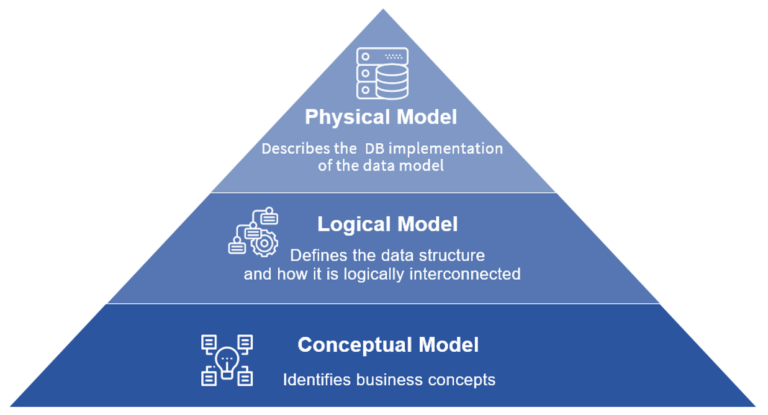
Model the data first
We design the schema around real access patterns, what gets read, written and joined most, so the database fits the workload instead of fighting it as you grow.
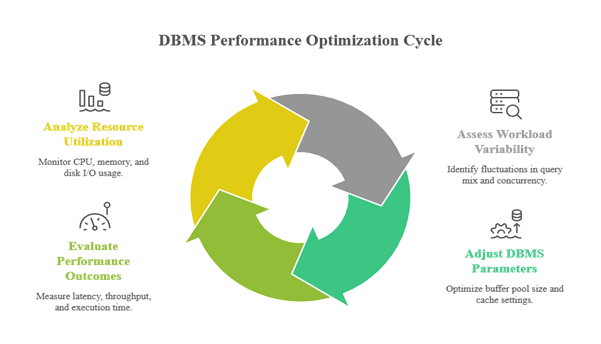
Tune for the workload
We measure slow queries, profile execution plans and add the right indexes, caching and partitioning, so latency stays low whether you have thousands or billions of rows.
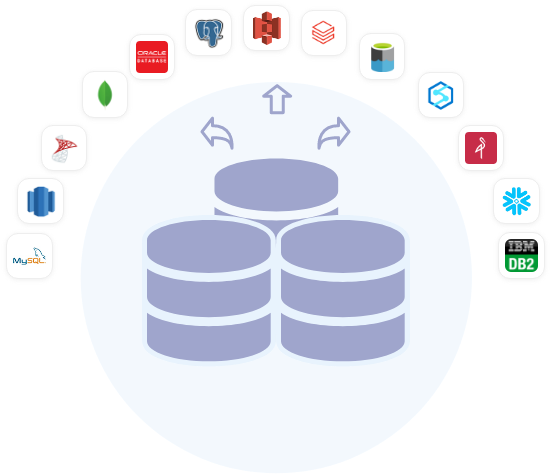
Migrate & safeguard
Backups, monitoring and tested migration plans keep data safe and changes reversible, with AI-assisted review catching risky schema changes before they ship.
A modern, proven data stack.
Database questions, answered.
Should we use SQL or NoSQL?
It depends on your access patterns. Most apps run best on a relational database like PostgreSQL; we reach for document or key-value stores when the workload genuinely needs them, and often combine both.
Can you fix our slow database without a full rebuild?
Usually, yes. We start with a performance audit, slow-query logs, execution plans and index gaps, and most wins come from targeted tuning rather than replatforming.
How do you migrate without downtime?
We use dual-write, backfill and staged cutover strategies with full backups and rollback plans, so production keeps running while data moves between engines or versions.
How do you keep our data safe?
Encrypted backups, least-privilege access, monitoring and tested restores, plus signed NDAs and secure environments, so recovery is proven before you ever need it.
Need a faster, more reliable database?
Tell us about your data and workload, we'll propose a model, a tuning plan and a senior team to deliver it.