AI Agent Development for Enterprises: The 2026 Playbook for Building Agents That Actually Work
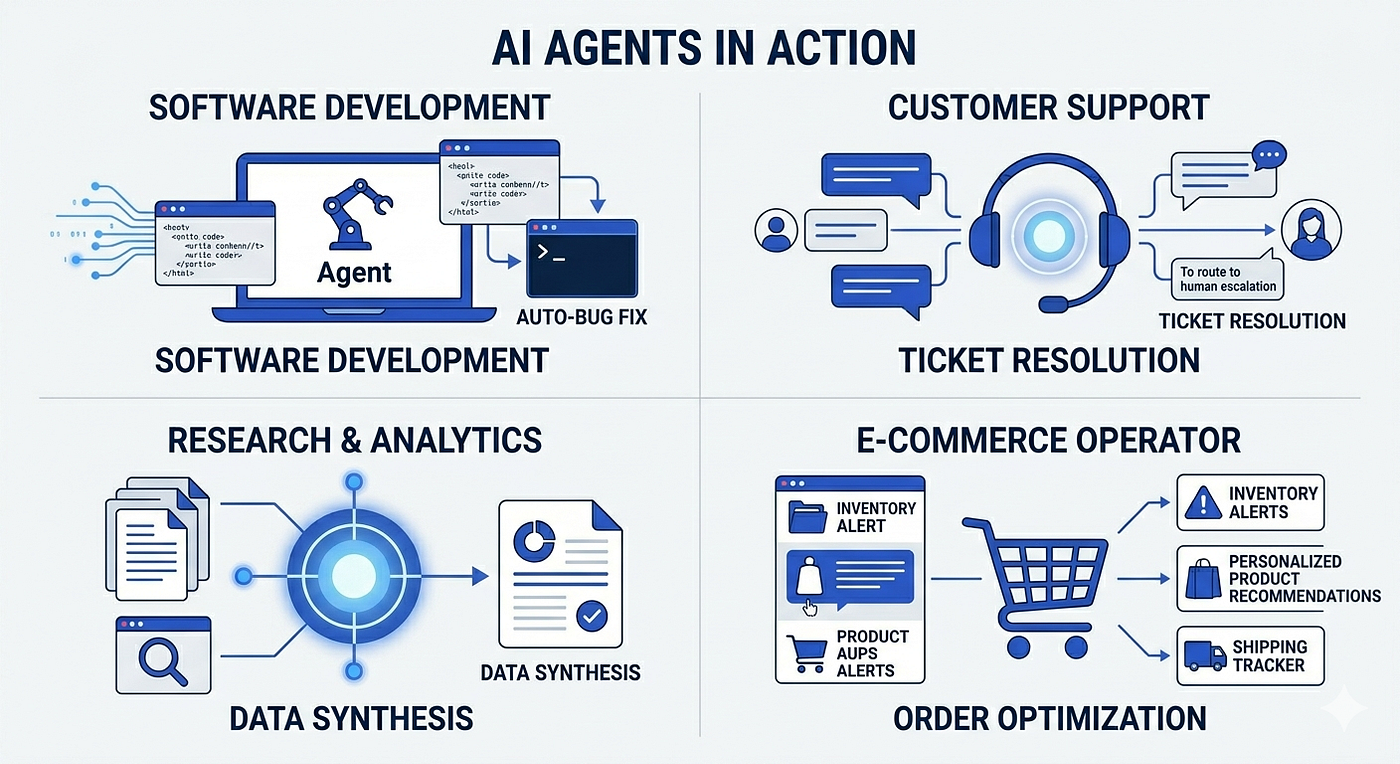
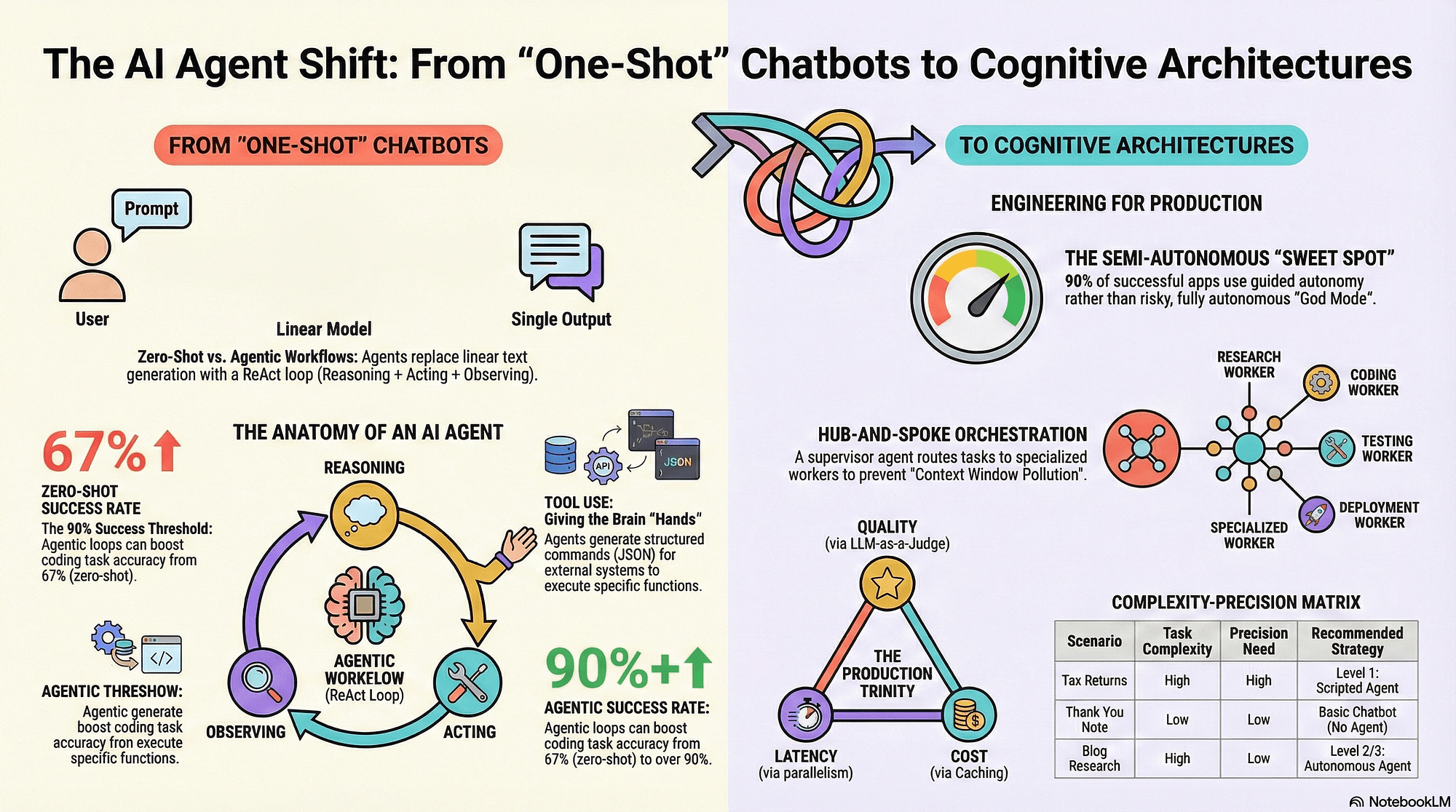
How enterprises build production AI agents: architectures, use cases, governance, and when to outsource agentic AI development.
Showing all articles · Back to blog home
How enterprises build production AI agents: architectures, use cases, governance, and when to outsource agentic AI development.
Data annotation for generative AI: labeling types, RLHF and preference data, quality control, and why teams outsource to Vietnam.
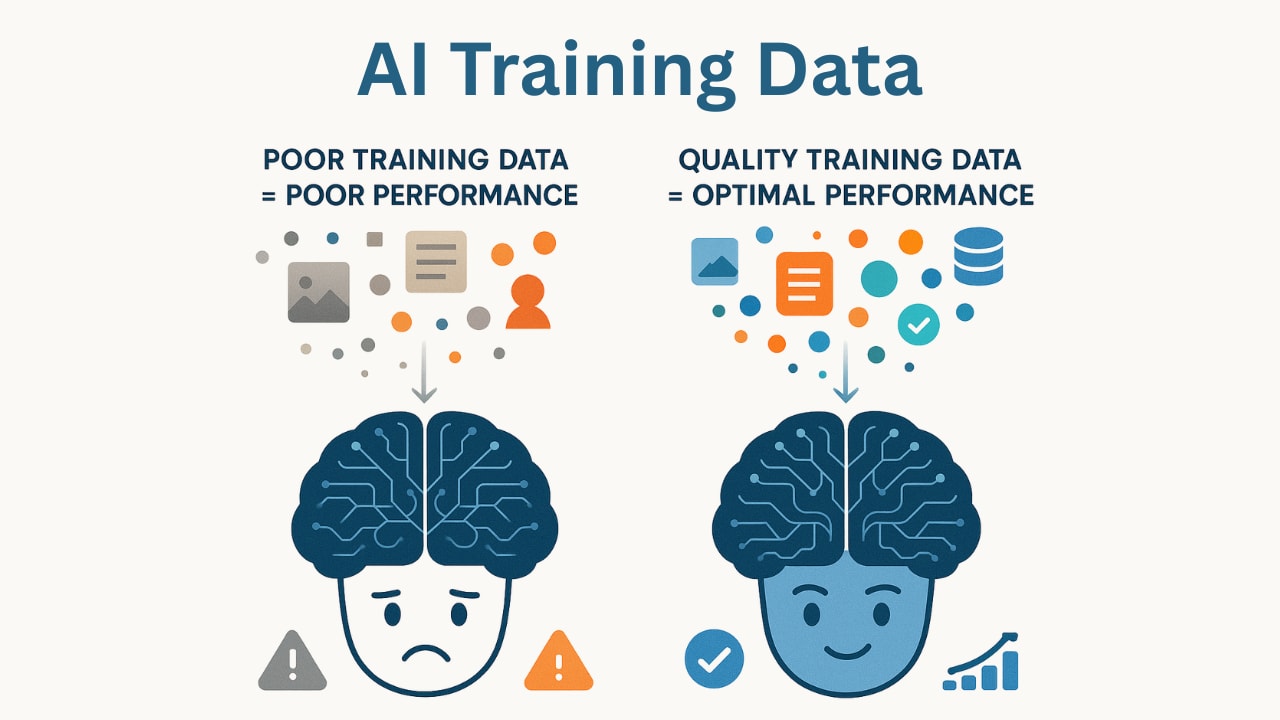
How to build high-quality AI training data at scale: sourcing, pipelines, synthetic data, quality control, and governance.
Fine-tuning vs RAG vs prompting, methods like LoRA and RLHF, when to fine-tune an LLM, costs, and how to outsource it.
The 2026 enterprise AI adoption trends that matter: top use cases, barriers, ROI, build vs buy, and the talent gap.
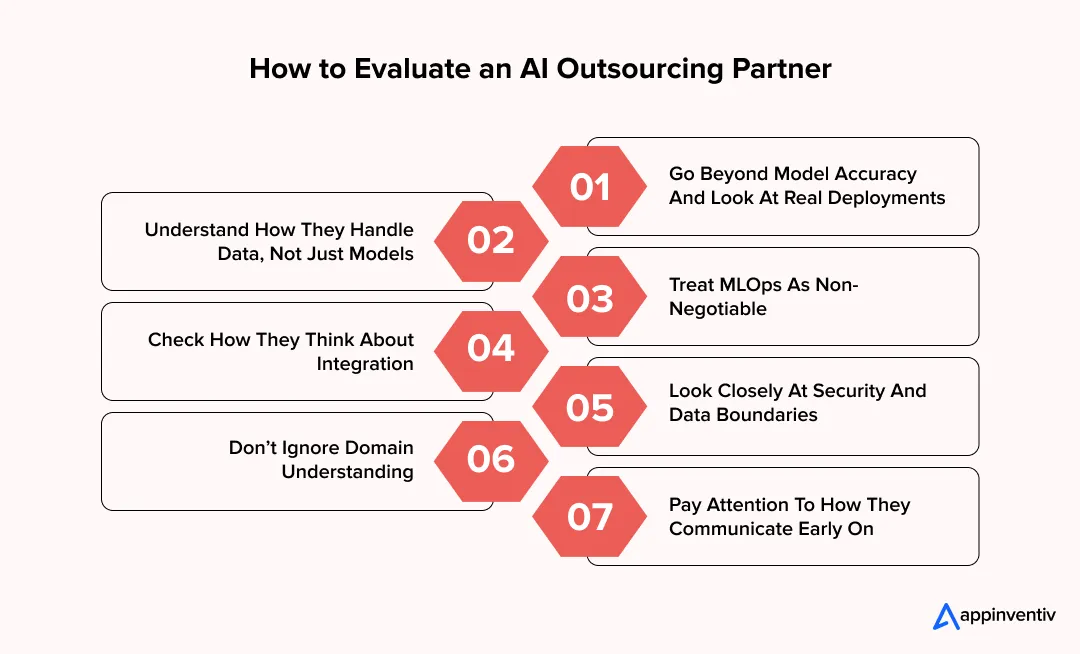
A practical framework to choose an AI outsourcing partner: evaluation criteria, red flags, IP and security, and a scoring checklist.
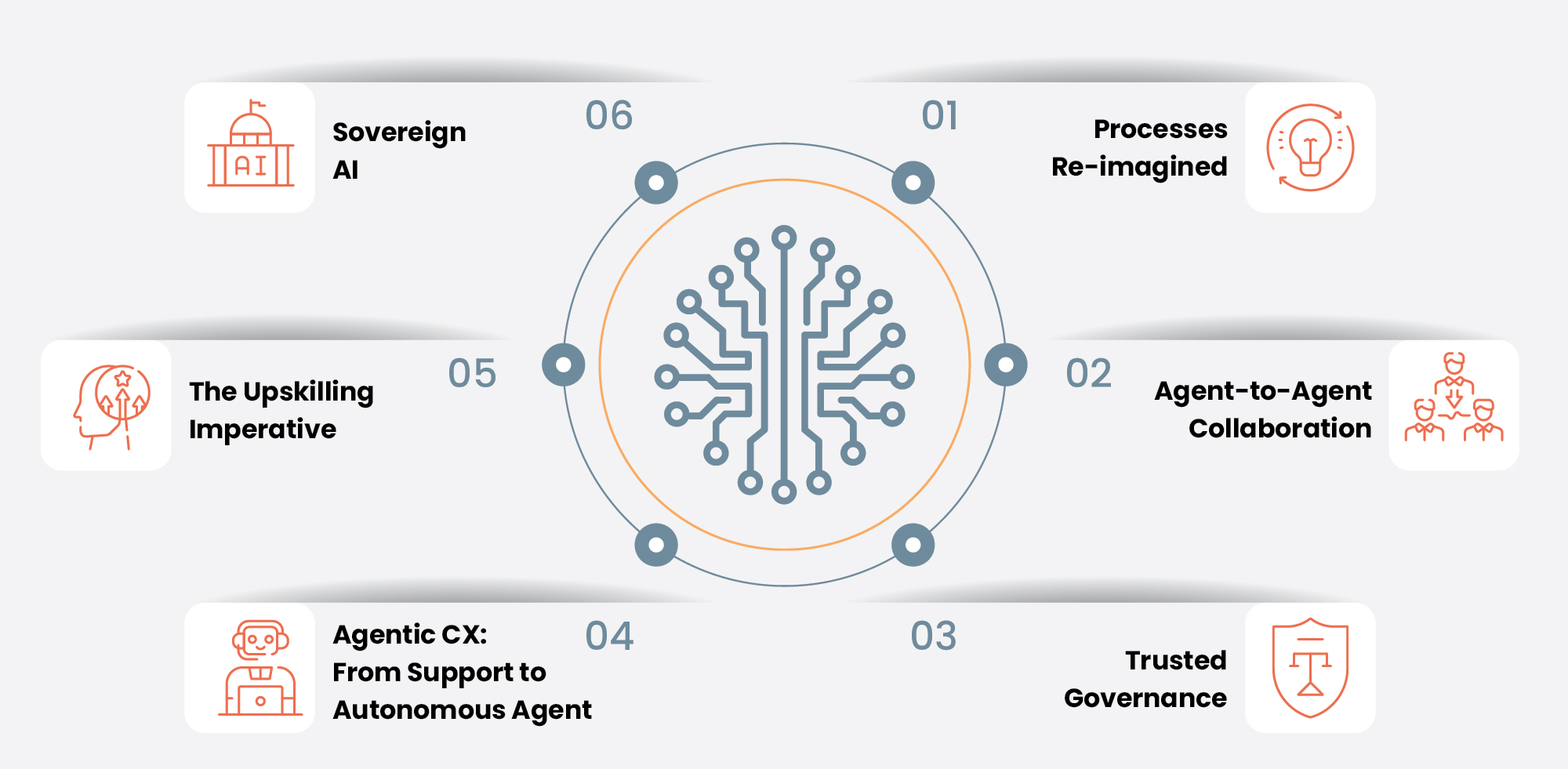
The AI trends reshaping enterprise growth in 2026: agentic AI, multimodal models, RAG, governance, and the AI workforce, plus what to do about each.
AI agents are automating multi-step workflows across finance, support, IT, and supply chain. Here is how they work, where they win, and the risks.
Autonomous AI systems are moving from pilots to operations. Learn the levels of autonomy, the operational impact, and how to keep humans in control.
Generative AI creates content; agentic AI takes actions. This comparison shows the capabilities, costs, risks, and when to invest in each.
AI outsourcing is how enterprises close the talent gap and scale faster. See the engagement models, what to outsource, and how to pick a partner.
A high-performing AI workforce blends human judgment with automation. Learn the org design, human-in-the-loop roles, and reskilling that make it work.
New articles on AI transformation, software outsourcing and engineering leadership — no spam, unsubscribe anytime.